Understanding the Importance of Data Analytics
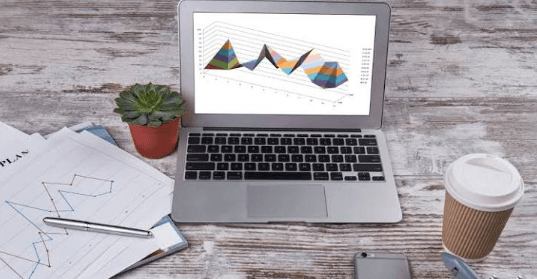
Data analytics translates raw data into actionable insight. It links evidence to decision making, enabling clearer planning and risk assessment. With disciplined data collection, governance, and repeatable workflows, organizations reduce uncertainty and align resources with strategic goals. The result is transparency, accountability, and measurable progress. Yet the path to reliable analytics is deliberate, demanding governance and discipline; the next step reveals how to build that foundation and sustain it.
What Data Analytics Really Is and Why It Matters
Data analytics is the systematic process of inspecting raw data to extract actionable insights, inform decisions, and optimize outcomes. It translates numbers into narratives, enabling data storytelling that clarifies value and prioritizes impact.
Effective practice also hinges on data governance, ensuring accuracy, security, and accountability. From this stance, analytics empowers strategic choices while preserving freedom to innovate and adapt.
How Analytics Guides Smart Planning and Risk Management
Analytics informs smart planning and robust risk management by translating diverse data into forward-looking insights.
The approach aligns objectives with evidence, enabling disciplined resource allocation and proactive scenario evaluation.
Data storytelling reframes complex patterns into accessible narratives, while predictive forecasting quantifies likely futures.
This combination supports strategic decisions, reduces uncertainty, and fosters resilient operation, governance, and contingency readiness across dynamic environments.
Practical Steps to Start Analyzing Your Data Today
Practical steps to start analyzing data today begin with framing the objective, selecting relevant sources, and establishing a minimal viable workflow that delivers actionable insights quickly.
The approach emphasizes disciplined data collection, ensuring quality and provenance, followed by rapid prototyping of analyses.
Data storytelling translates findings into decisions, while maintaining transparency, reproducibility, and freedom to iterate, refine, and pursue independent, informed actions.
Measuring Success: Metrics, Tools, and Common Pitfalls
Measuring success hinges on selecting metrics that align with strategic objectives, defining clear benchmarks, and ensuring measurement accuracy across data sources. The discussion emphasizes data quality and data governance as foundations, while tools like predictive dashboards translate metrics into actionable insight.
Effective data storytelling communicates results; beware common pitfalls such as metric misalignment, data silos, and overreliance on vanity metrics.
Frequently Asked Questions
How Can Data Ethics Shape Analytics Practices?
Data ethics guides how analytics teams balance value with rights, shaping transparent methodologies and accountability. Data governance enforces standards, controls, and stewardship, ensuring responsible experimentation, privacy protection, and auditable outcomes, while preserving strategic freedom to innovate within ethical boundaries.
What Skills Unlock Successful Analytics Teams?
One interesting statistic shows teams with strong data literacy outperform peers by 30%. Successful analytics teams require soft skills, data literacy, governance framework, and data quality, enabling strategic, concise collaboration and autonomous decision-making for freedom-loving organizations.
How Do You Choose Between Dashboards and Reports?
Choosing dashboards or Selecting reports depends on audience needs and actionability; dashboards offer实时 insight while reports provide detailed records. The detachment notes: prioritize interactivity, update cadence, and governance to empower decision makers with strategic clarity.
What Role Do Data Storytelling and Visualization Play?
Data storytelling and visualization strategy translate insights into meaning, shaping perception and action. They illuminate patterns, justify decisions, and cultivate autonomy, making complex data accessible while preserving rigor, clarity, and strategic intent for an audience that values freedom.
See also: Understanding the Importance of Data Management Systems
How Can Organizations Sustain Data-Driven Culture Long-Term?
Sustainability of a data-driven culture hinges on proactive change management and addressing sustainability challenges; organizations institutionalize governance, continuous learning, and leadership alignment, while empowering teams to experiment, measure outcomes, and balance autonomy with consistent, strategic data practices.
Conclusion
Data analytics translates data into decisive action, elevating planning, risk management, and accountability. By establishing clear provenance and repeatable workflows, organizations improve accuracy and trust while accelerating innovation. An intriguing statistic: companies that adopt data-driven decision-making are 5 times more likely to make faster, more informed choices than their peers. The takeaway is strategic: rigorous analytics enable better resource allocation, measurable progress, and sustained competitive advantage without sacrificing governance or transparency.